Sustainability
IDR Test Bed
Membrane Filtration for Companies

THE PLANT
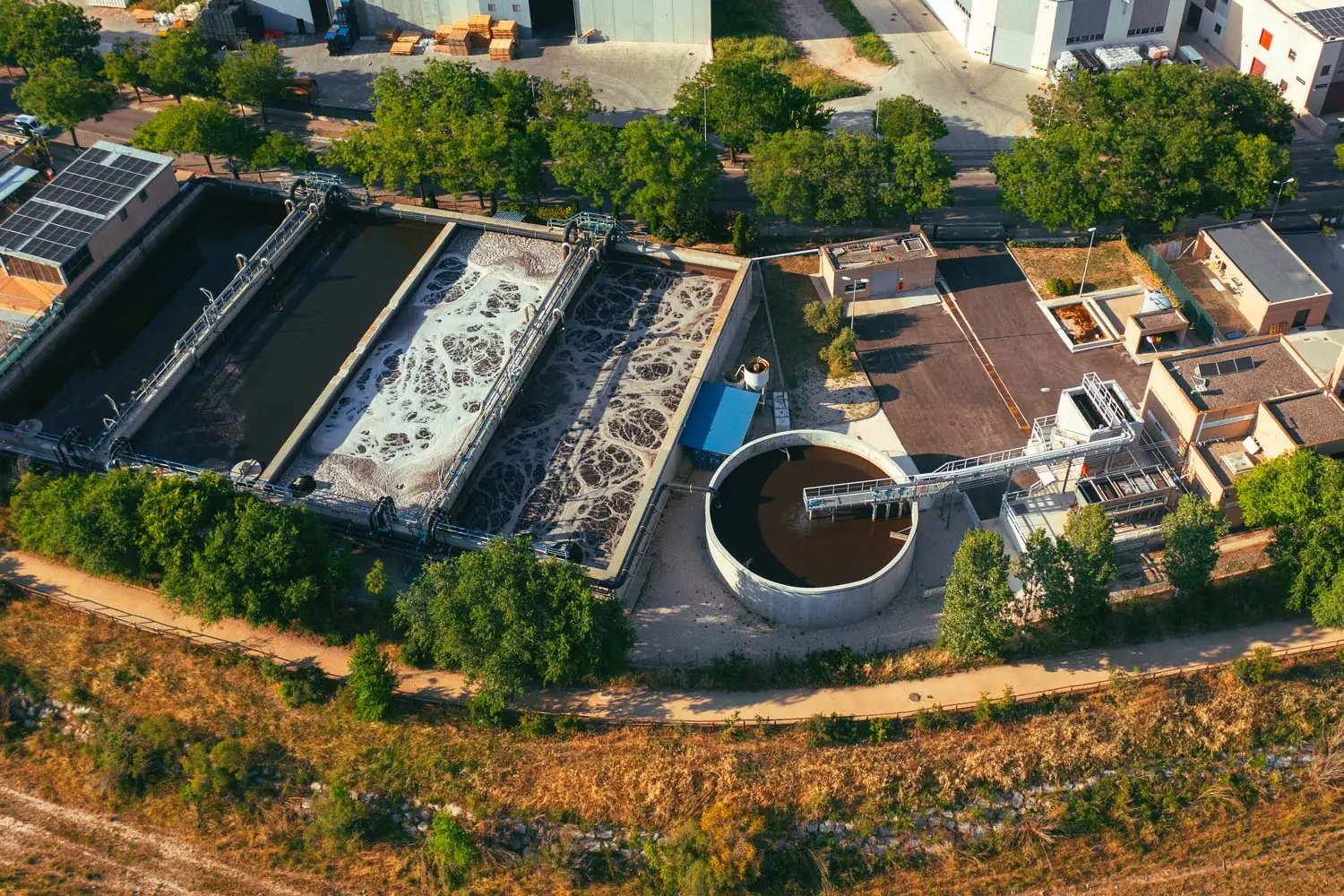
Our plant, a European pioneer in biological wastewater treatment, processes wastewater from the leather sector in Igualada. Equipped with state-of-the-art technology and managed by Tradebe—an international leader in industrial waste treatment—it ensures an efficient process that meets the most demanding environmental standards.
With constant and rigorous monitoring, we analyze wastewater daily, allowing us to accurately understand its composition and make real-time improvements to reduce environmental impact.
THE BIOLOGICAL PROCESS
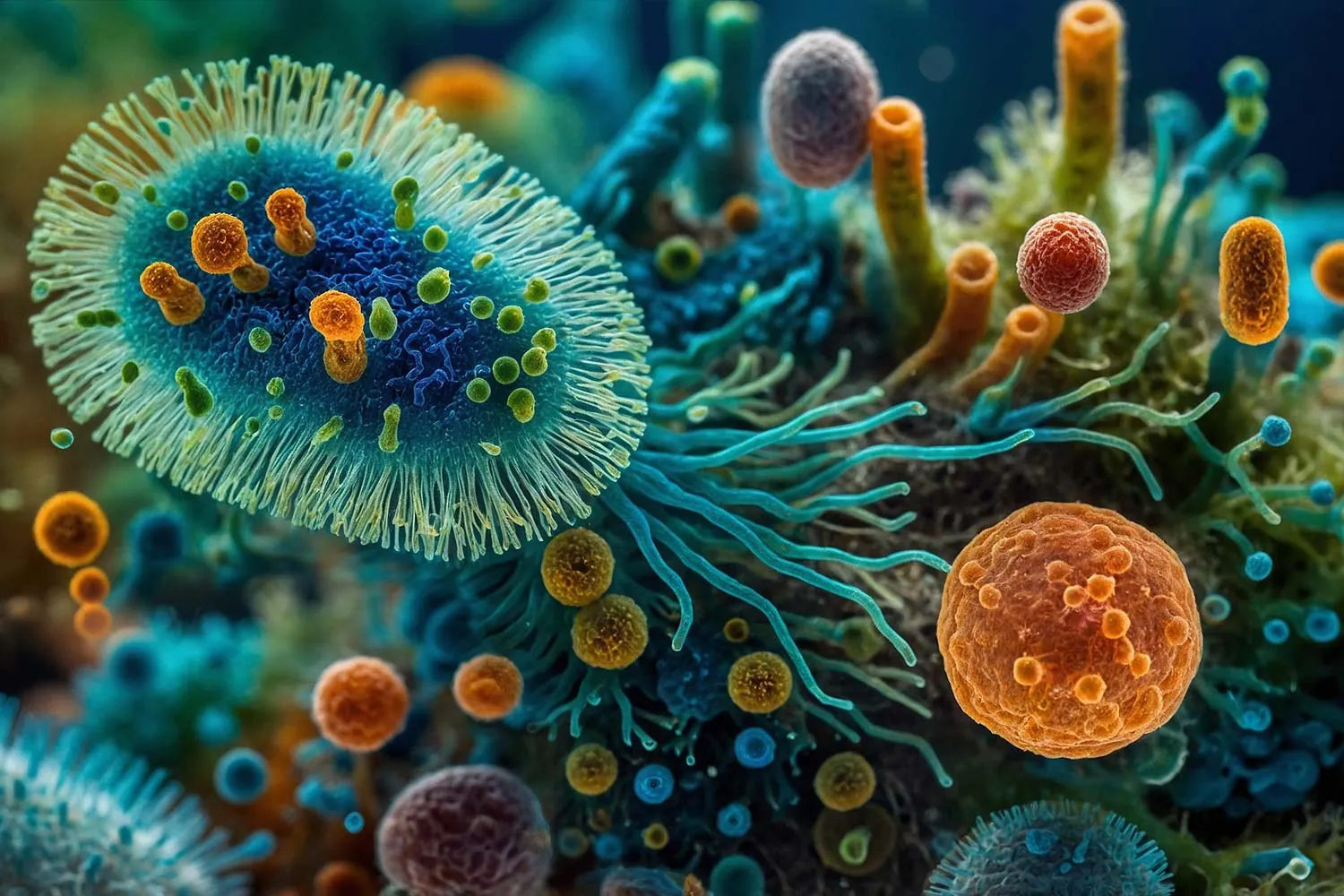
Our purification process mimics nature's own cycles, using water, air, and microbial life.
The wastewater is treated with oxygen to support the growth of specific bacteria that break down organic matter and transform pollutants through the natural nitrogen cycle. In the final stages, oxygen-free (anoxic) bacteria convert nitrates into nitrogen gas, returning clean water to the environment with minimal impact.
This system offers a highly sustainable solution that reproduces nature's logic at every step.
THE FACILITIES
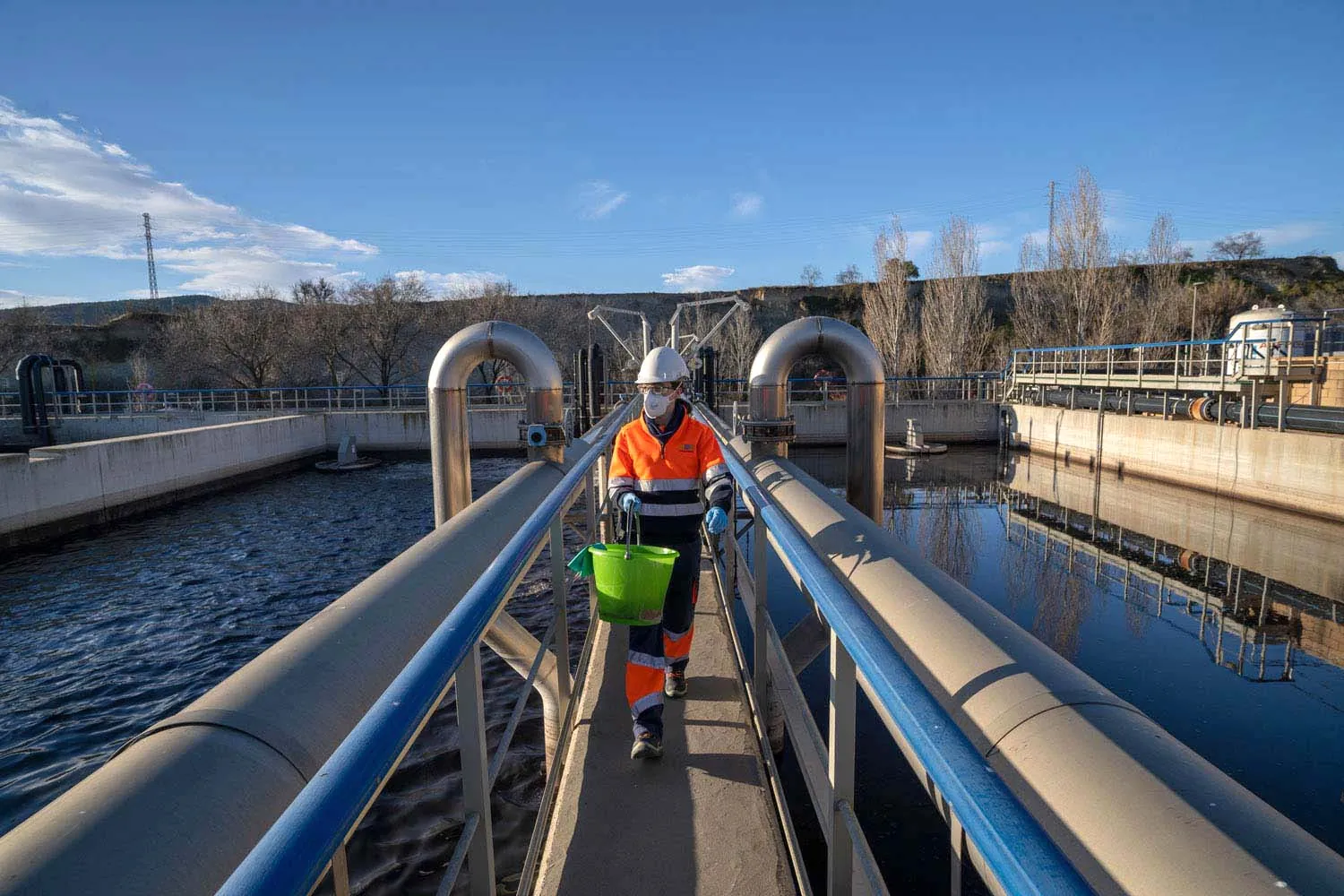
Every day, specialized technicians from the treatment plant collect water samples from the 26 associated companies for analysis. The results obtained allow for precise understanding of the composition of each company's wastewater, enabling them to take the appropriate measures to minimize environmental impact.
Once at the treatment plant, the water undergoes physical, chemical, and biological processes to remove solids, suspended matter, and dissolved substances such as organic material and nitrogen, as well as color. Finally, the treated water is returned clean to the environment, meeting all established environmental standards.
WASTEWATER ANALYSIS
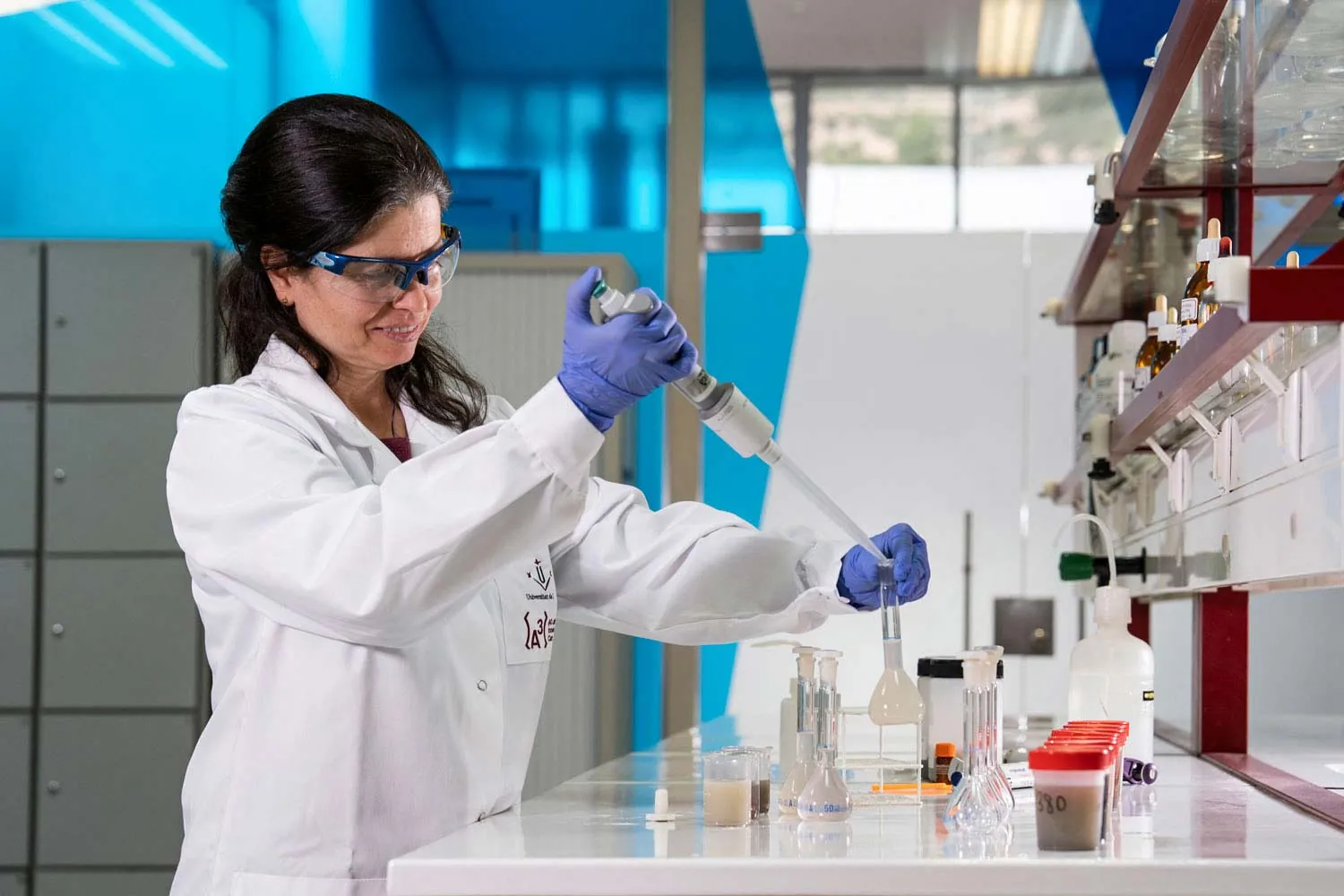
Each day, specialized technicians from the treatment plant collect water samples proportional to the volume discharged by the 26 companies. These samples are analyzed in a specialized laboratory located at the A3 Innovation Center of the University of Lleida, on the Igualada Campus.
These analyses allow for precise knowledge of the composition of each company's wastewater and help detect any variation or anomaly. Thanks to this data, companies can adjust their processes to reduce environmental impact, while the treatment plant continuously adapts its treatment system to ensure optimal performance.
This constant adaptation between the companies and the treatment plant improves process efficiency, reduces pollution, and ensures sustainable water management.
PRE-TREATMENT
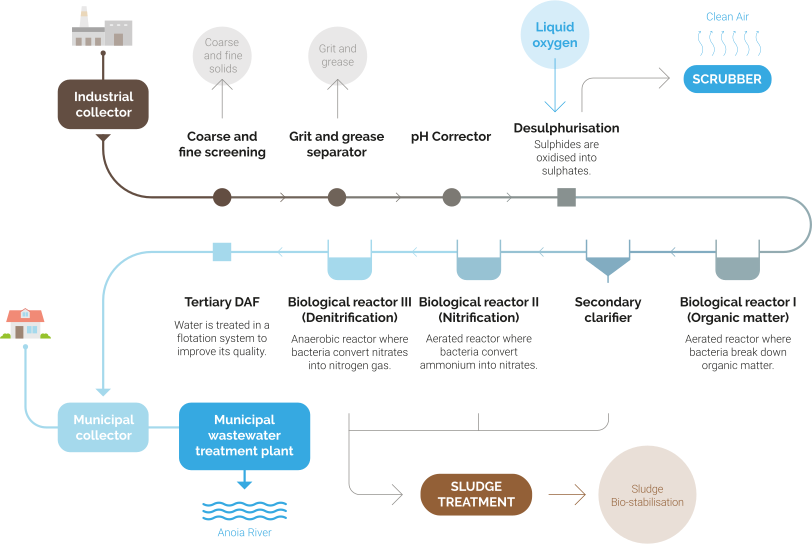
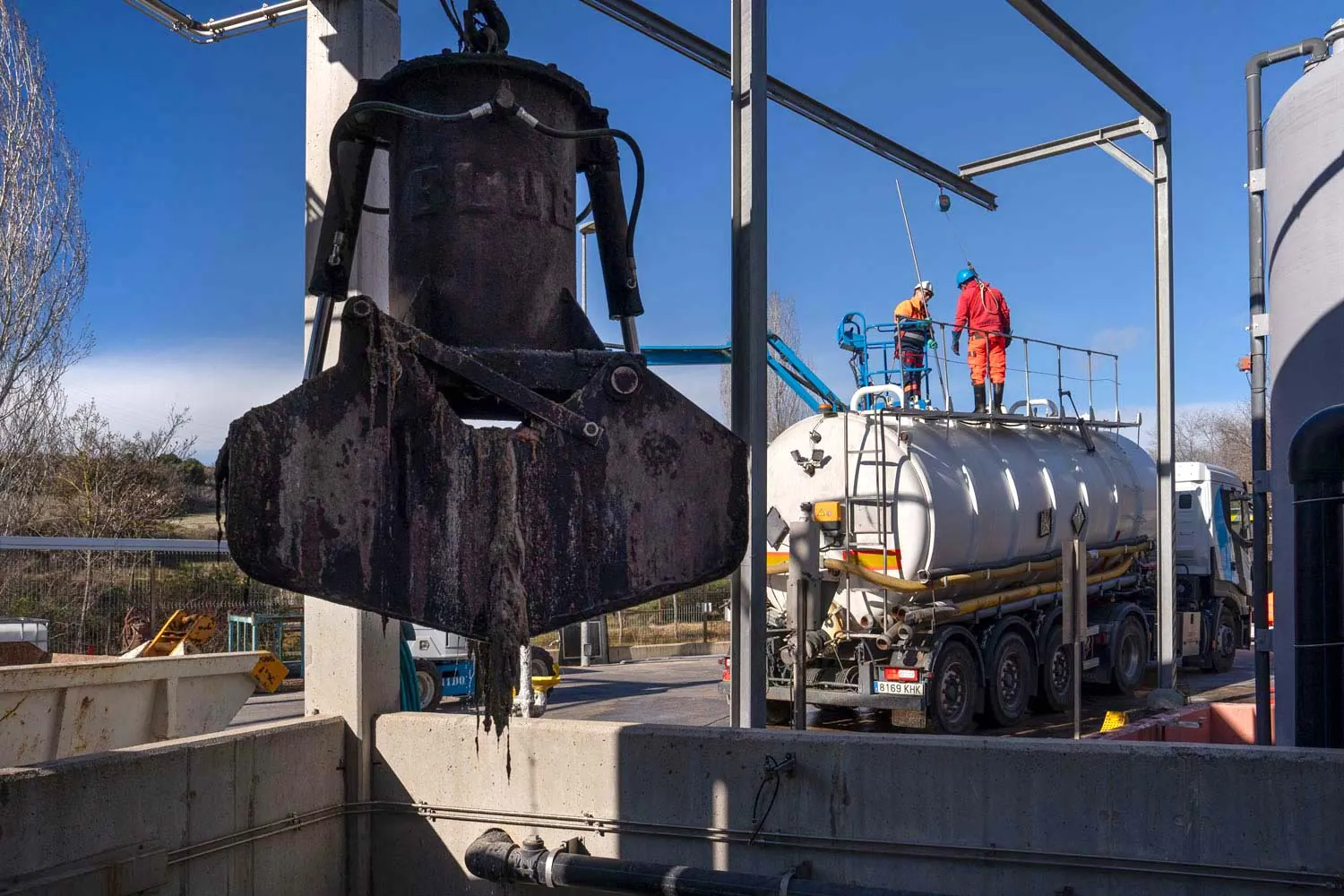
Water enters the treatment plant's intake wells via collectors: one for industrial water and one for municipal water. These two water lines remain separate until they reach the first biological reactor. In these intake wells, coarse solids are removed using a clamshell bucket and filtration screens.
After the coarse solids are removed, the pumping well moves the water to the next phase, where medium-sized solids are extracted using two step screens. Finally, in the grease and sand traps, fats are removed by flotation, and sand is settled out by decantation.
Each type of waste removed at this stage is collected in separate containers for proper management.
CHEMICAL TREATMENT
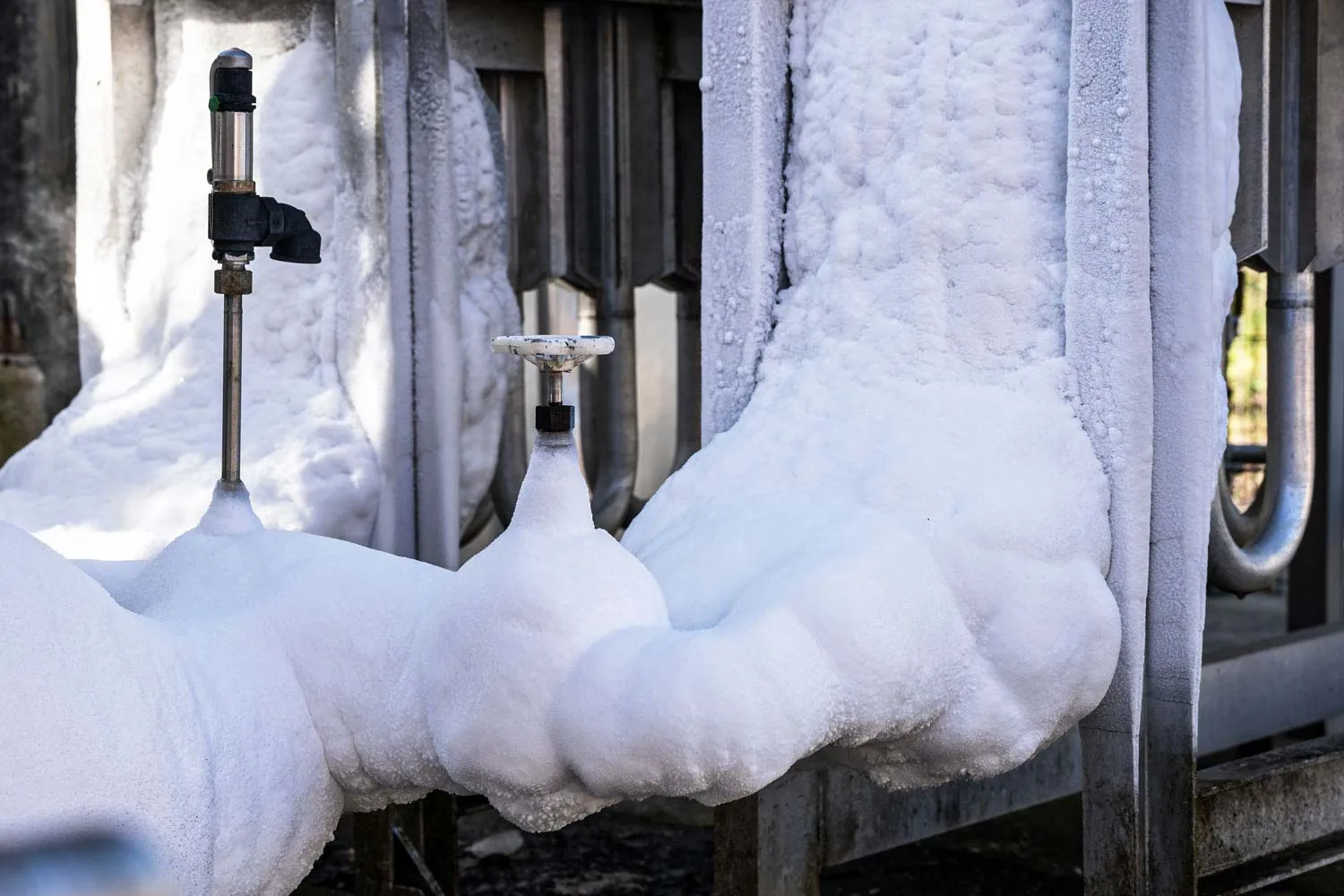
Water from the industrial line passes through a pH correction system to adjust it for the following stages of treatment. Part of the industrial water is directed straight to the first biological reactor, while the rest is treated in desulfurization tanks, where sulfides are transformed into sulfates through the addition of liquid oxygen. Once desulfurized, the water flows into the first biological reactor.
In addition to water treatment, the plant also includes deodorization systems such as chemical scrubbers. Air extracted from the pumping wells, desulfurization basins, and selective storage tanks is chemically treated to ensure no harmful pollutants are released into the atmosphere.
BIOLOGICAL TREATMENT
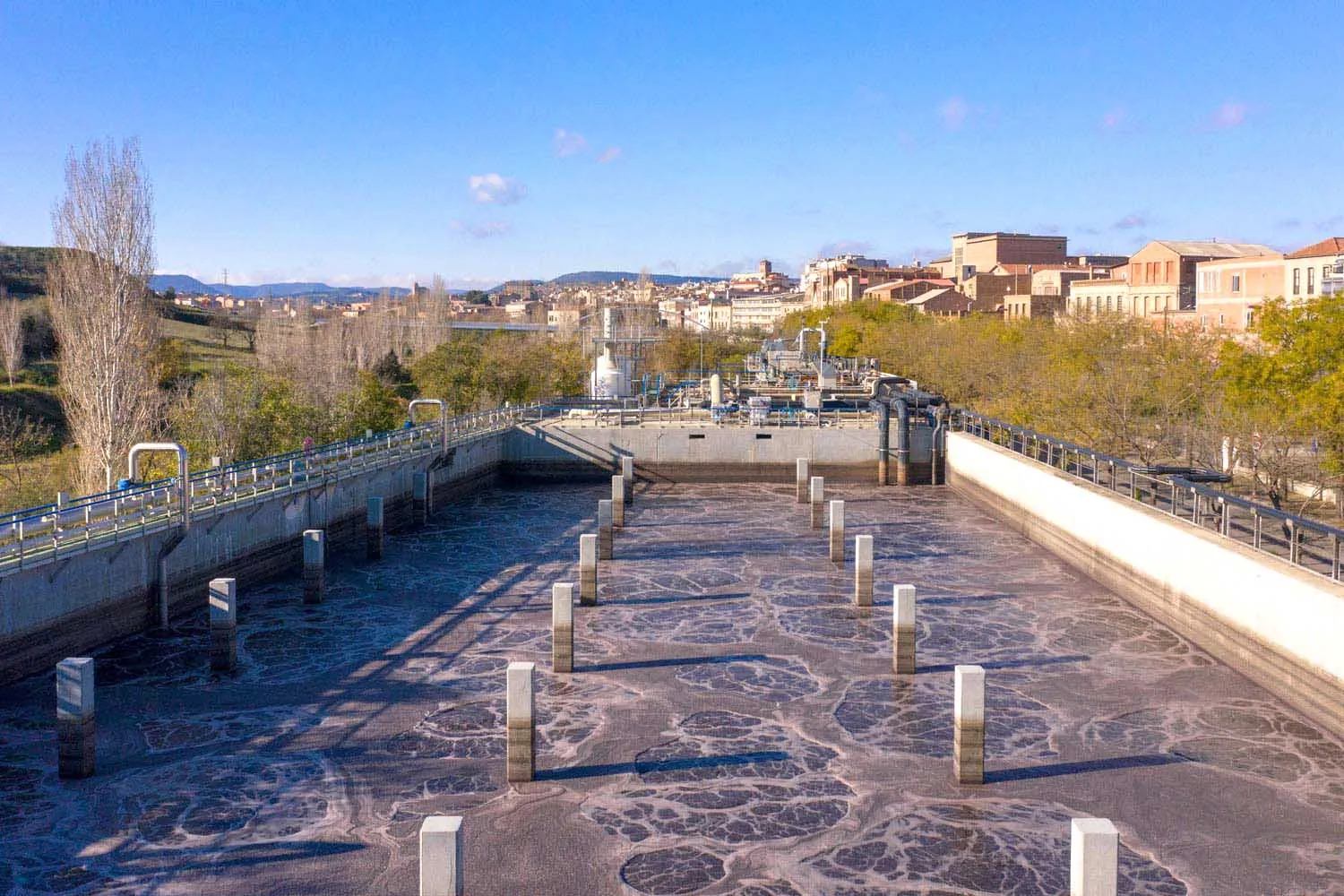
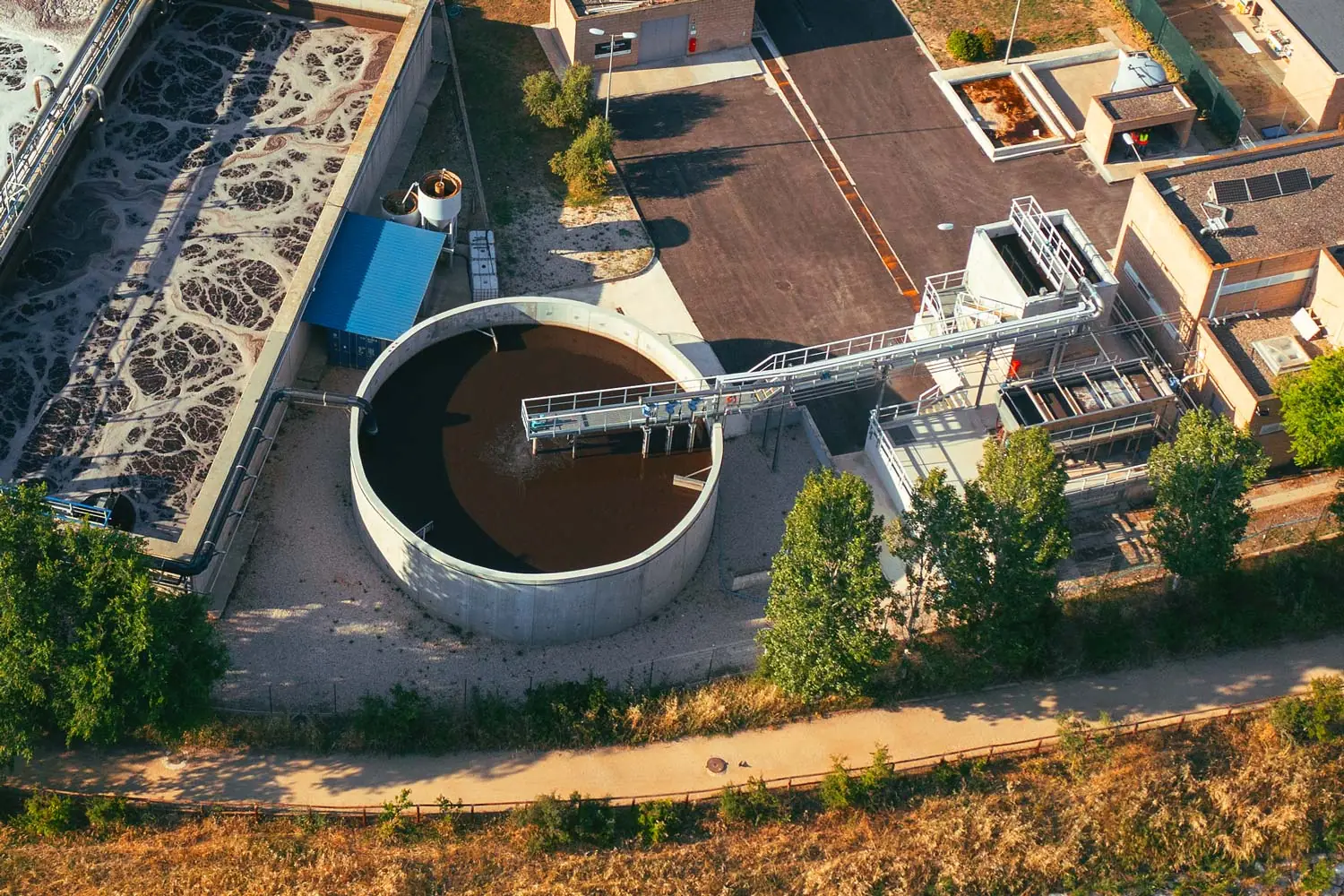
Once physically and chemically pre-treated, both industrial and municipal water enters Biological Reactor I. This tank is aerated using diffusers, and it fosters the growth of bacteria and protozoa essential for the degradation of organic matter.
From here, the water flows through two secondary clarifiers where the sludge settles by gravity. The clarified water is transferred to a feed tank for Biological Reactor II, while the settled sludge is either sent for sludge treatment or recirculated to maintain the appropriate biomass volume in the reactor.
BIOLOGICAL TREATMENT
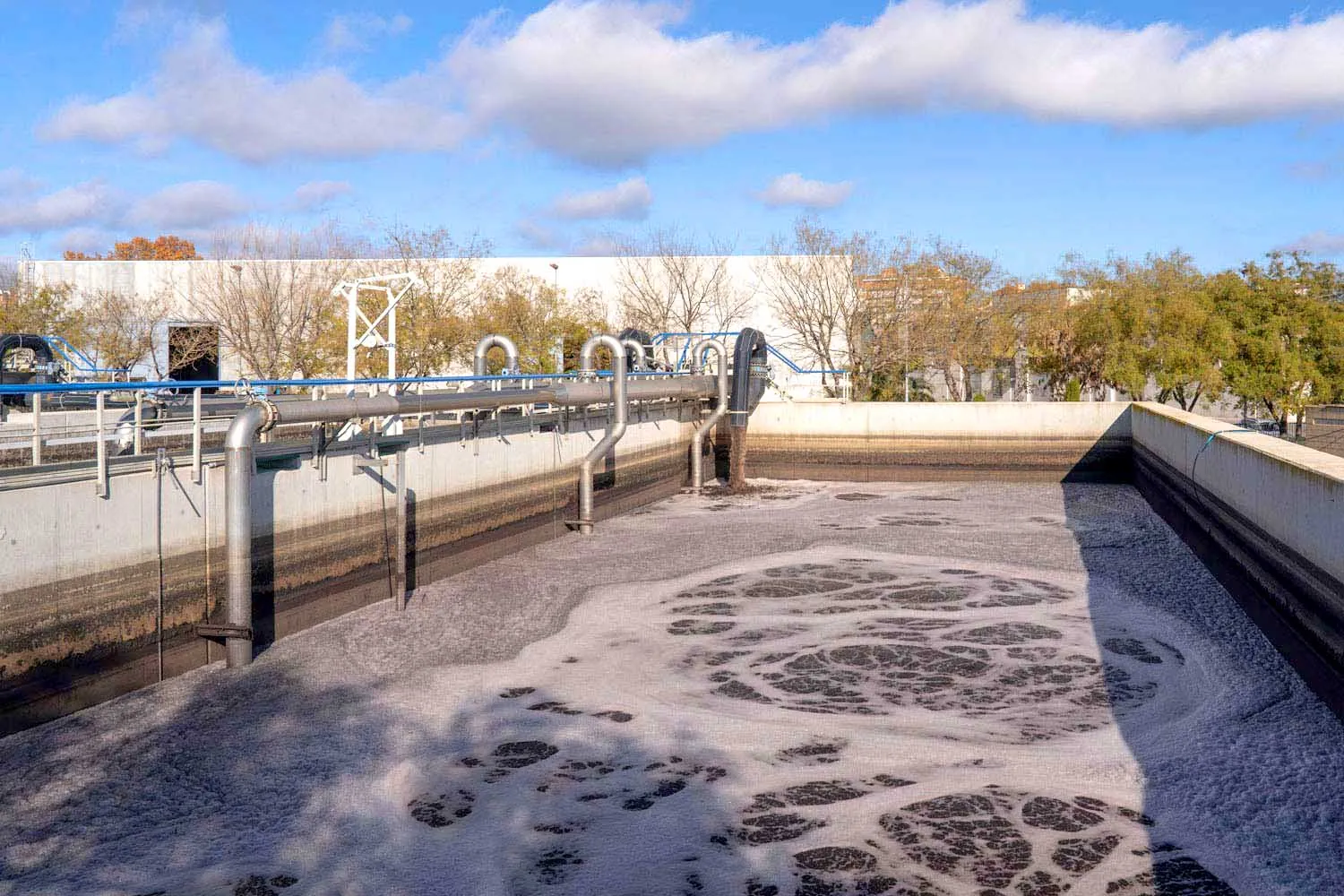
The plant includes four SBR (Sequential Batch Reactor) tanks, which are configurable to perform both nitrification and denitrification processes. Typically, two reactors are used for each process. These reactors are unique in their ability to carry out all phases of biological treatment within a single tank: filling, reaction, settling, decanting, and sludge purging.
The water enters the nitrification reactors, where specialized bacteria convert ammonium into nitrates through aeration. The resulting clarified water is then directed to Biological Reactor III.
BIOLOGICAL TREATMENT
In denitrifying reactors, bacteria transform nitrates to nitrogen gas, which is released to the atmosphere, by adding new organic matter (desulfurized water) and in the absence of air. At the same time, tertiary treatment for color reduction is carried out using a coagulant.
Sludge from all biological reactors is collected in a biological sludge sump, from where it is pumped to sludge treatment.
Finally, the resulting clarified water reaches the outlet sump and is discharged to the municipal collector, which subsequently reaches the Vilanova del Camí municipal treatment plant.
TERTIARY TREATMENT
The water from Biological Reactor III will be treated through a flotation system to enhance quality before being discharged into the municipal collector.
SLUDGE TREATMENT
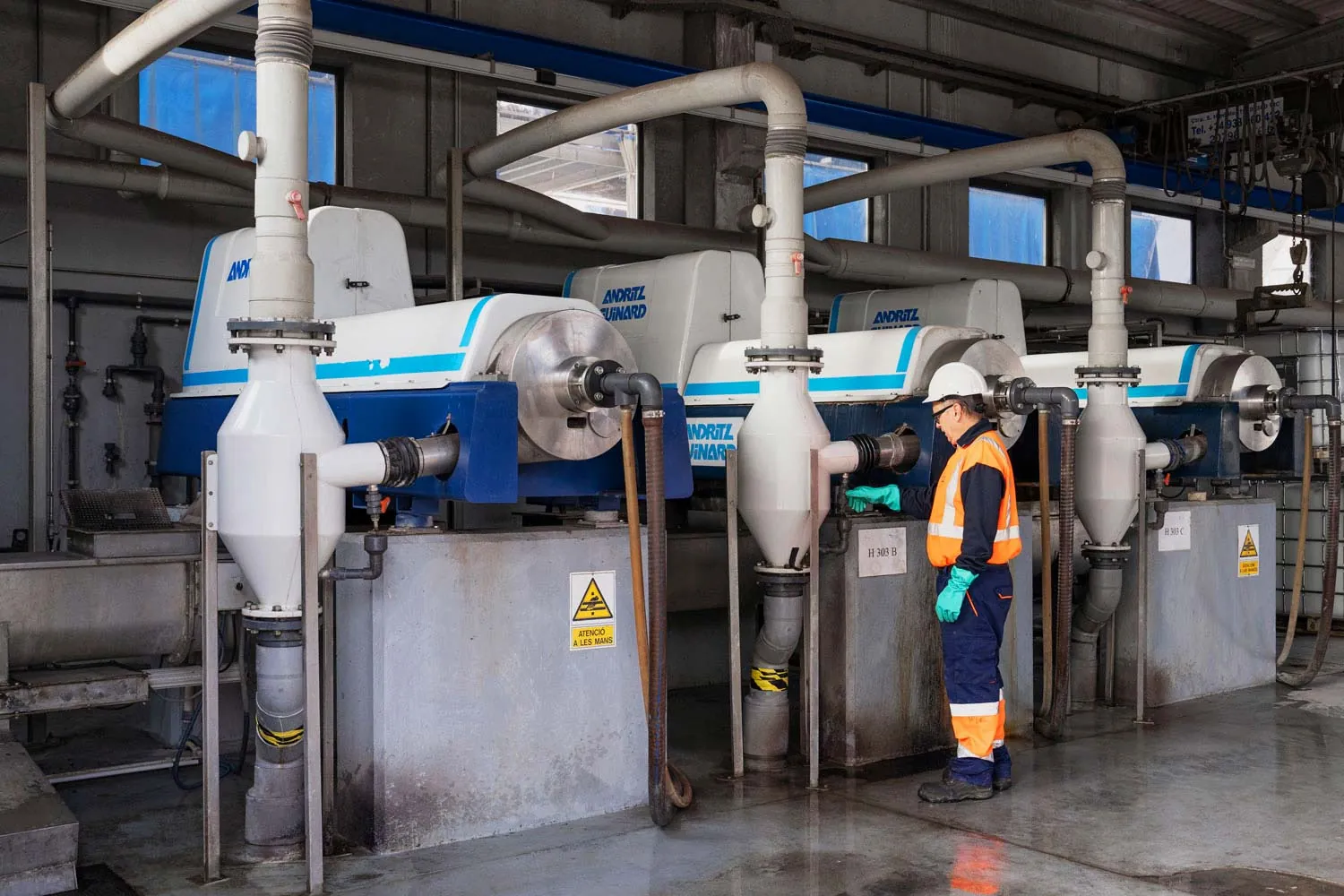
Sludge stabilization is carried out by adding lime slurry in the sludge chamber. Once stabilized, the sludge enters centrifuges for dehydration. A polyelectrolyte is also added to the centrifuge to flocculate the sludge and extract as much water as possible. The clarified water produced during this process is returned to Biological Reactor I.
Using an Archimedes screw, the dehydrated sludge is transported to storage silos, from where it is sent to the Jorba Composting Plant for bio-stabilization.
Deodorization systems are also in place here, using biological scrubbers. Air extracted from the sludge treatment room is biologically treated to prevent the release of harmful pollutants into the atmosphere.
SLUDGE TREATMENT
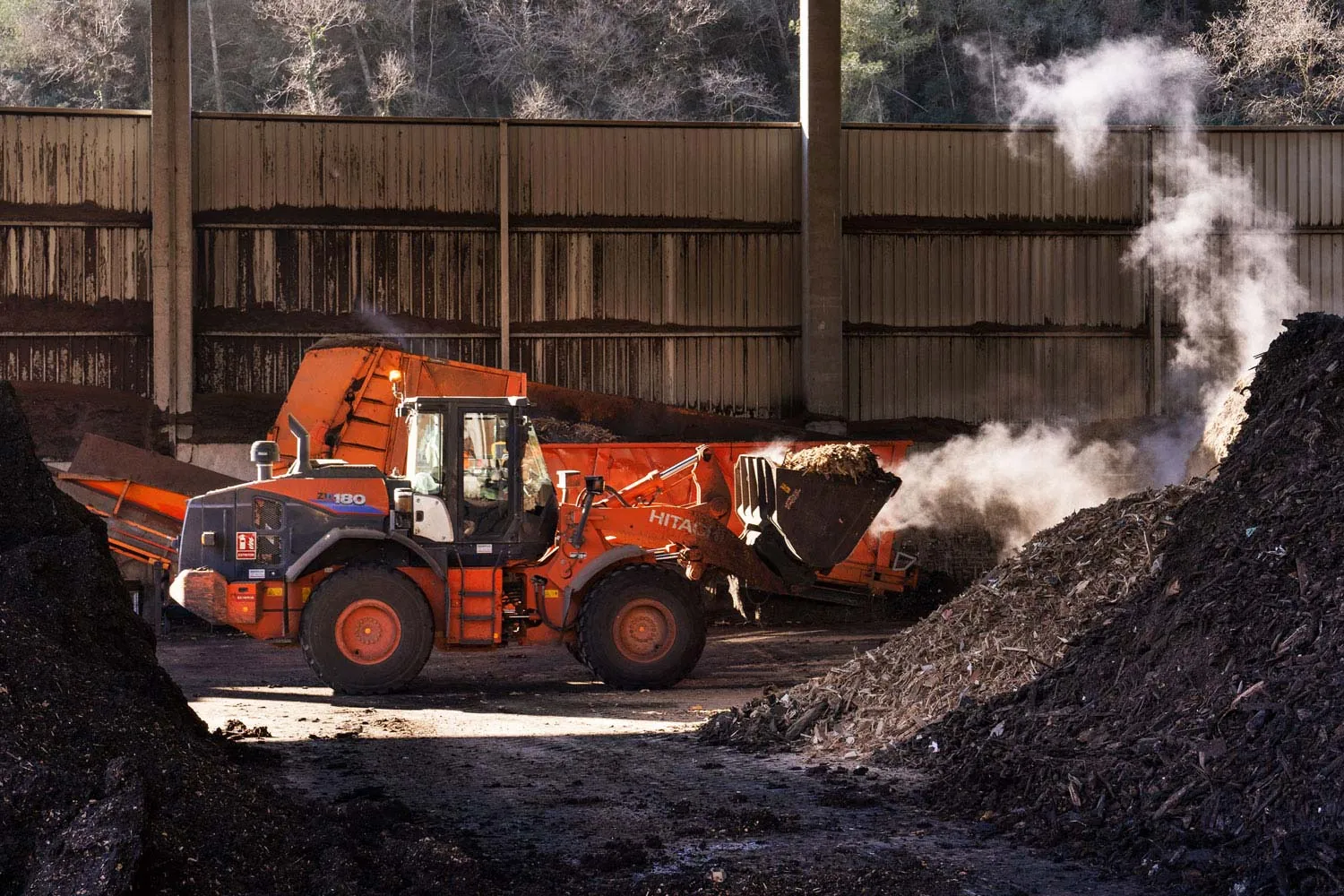
Bio-stabilization of sludge takes place at the Jorba Composting Plant. The sludge delivered to the plant is unloaded and mixed with shredded wood to facilitate the bio-stabilization process. This mixture is moved into a decomposition area called the "meseta," where decomposition begins.
Subsequently, the entire meseta is turned over to aerate the material and promote further decomposition. When the temperature reaches 70 °C, hygienization occurs.
Finally, during the turning and screening phase, the grey compost is separated from the wood using a trommel screen. The wood is recirculated in the system, while the grey compost is properly managed.
QUALITY CONTROL & MAINTENANCE
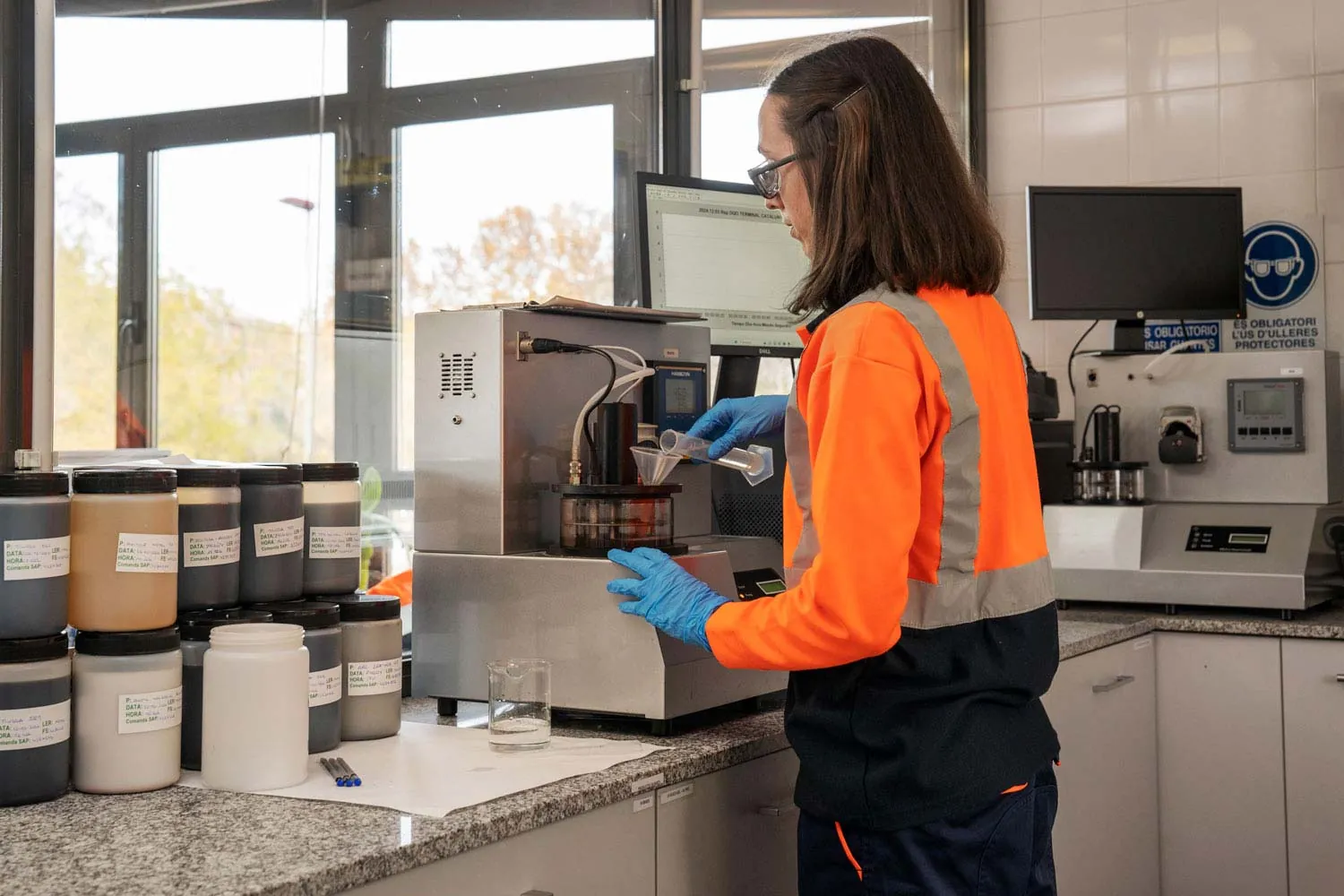
The facilities include a laboratory where daily analytical controls are carried out to ensure the efficiency of the treatment plant and to analyze the liquid waste received. From the offices, the plant is managed and monitored, ensuring coordinated operation and overall control.
The plant has two blower rooms to supply air to the reactors and tanks that require it. Nebulizers are also installed at strategic points throughout the plant to prevent the spread of unpleasant odors near the facility.
Additionally, there are three tanks dedicated to the selective and temporary storage of liquid waste, allowing for differentiated treatment based on the specific characteristics of each type.
AUDIOVISUAL TOUR
Membrane Filtration for Companies
BIOINDUSTRIAL explores whether the treatment plant can biologically process only industrial water.
RESALT aims to regenerate treated water for reuse in the tanning industry, promoting sector sustainability.
INNPELL optimizes the tanning process, reducing pollutants and processing time, while improving wastewater treatment.
ReBioenergia transforms industrial waste into resources for a sustainable future.
Improved biological treatment by increasing efficiency.
Improved desulfurization speed and reduced foam formation.
Improved sludge treatment, enhanced dehydration, reduced odors and leachates.